
Drupal Canvas without chaos: governed SDC components marketers can actually use
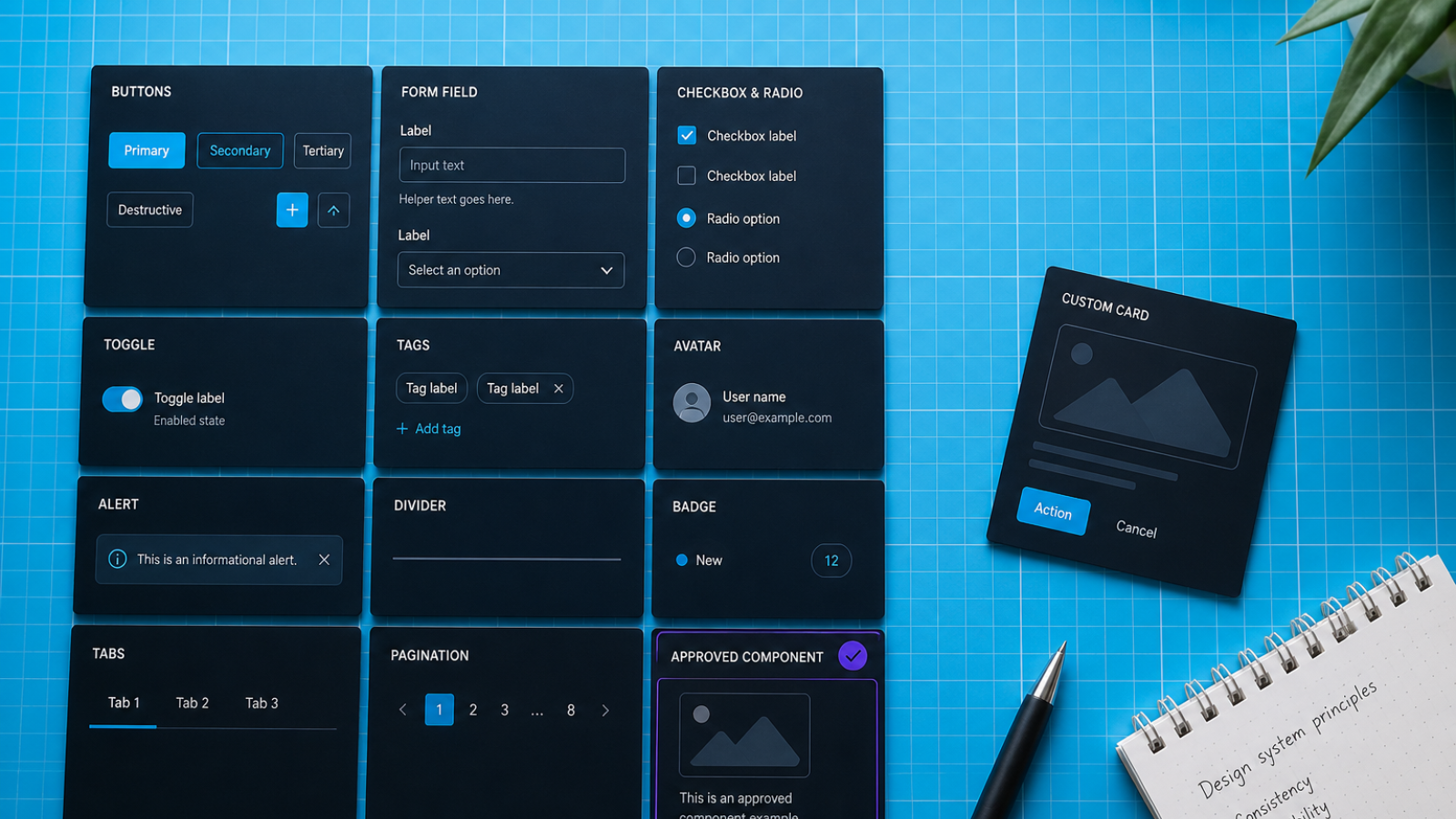
Adoption still needs engineering on legacy themes. Visual editing should not become a free-for-all of one-off layouts.
What Canvas changed in the narrative
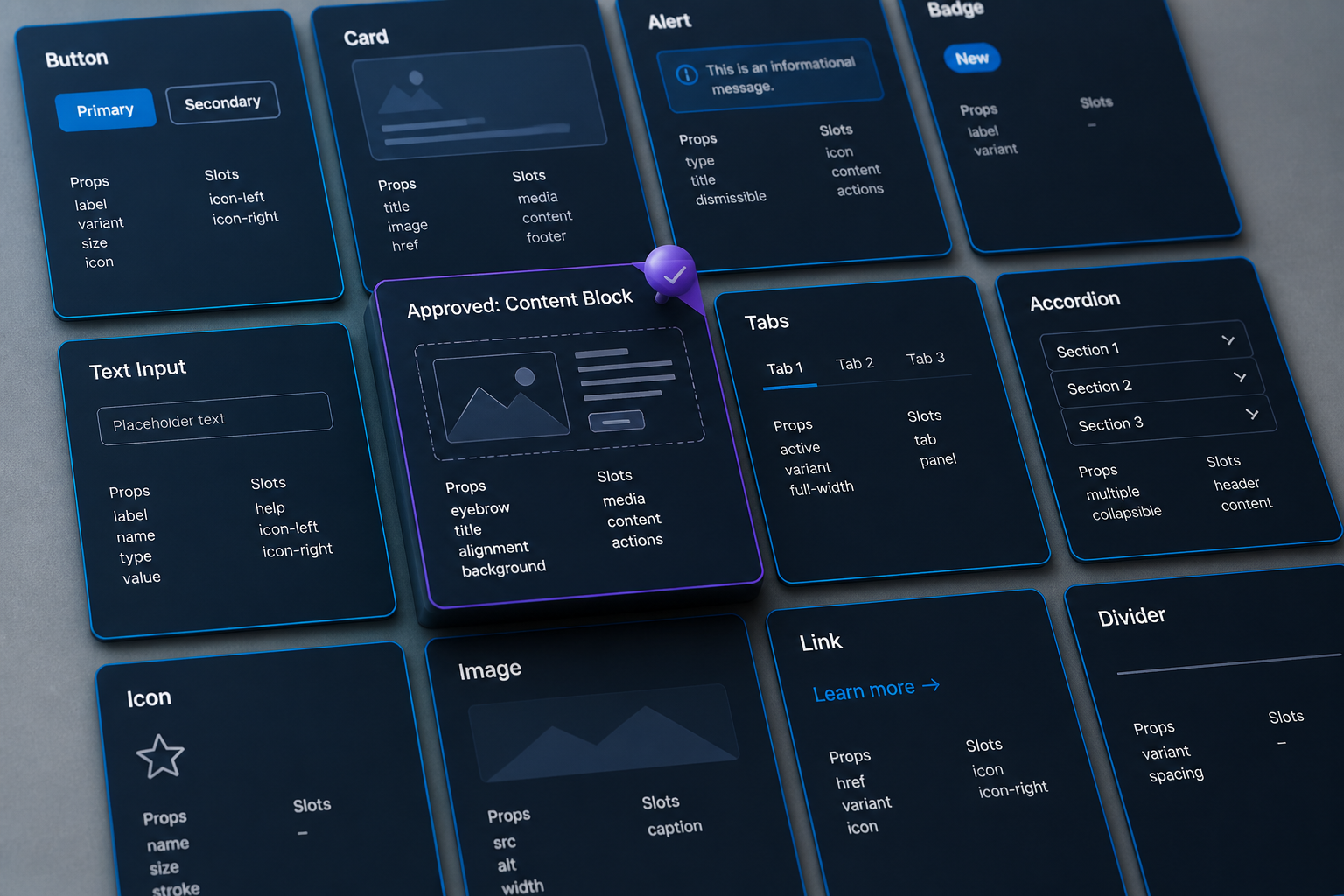
Drupal.org's CMS 2.0 announcement describes Canvas as the default visual building experience, Mercury components, optional AI features, and templates (including Byte) on Drupal core 11.3. Messaging also cites performance gains in the same release family.
That is a real product direction. It is not automatic on every legacy theme or every site still on Layout Builder and Paragraphs patterns.
Governed components vs page-builder freedom

| Page-builder freedom | Governed components |
|---|---|
| Any layout, any combination | Approved library only |
| Hard to test for a11y at scale | Defaults baked into SDC |
| Drift across sections | Reusable patterns |
| "Who fixed this hero?" | Clear ownership in the library |
Marketers need autonomy on copy, imagery, and approved layouts. Developers need guardrails so every new page does not become a bespoke template fork.
What to govern in an SDC library
- Props and slots documented in
.component.ymlso editors see safe options, not raw Twig. - Accessibility defaults: heading levels, link text patterns, focus styles, alt text requirements on media fields.
- Brand tokens: spacing, color roles, typography tied to the theme, not inline styles in the CMS.
- Preview and test: components render the same in Canvas, Layout Builder, and static Storybook-style previews where you use them.
- Change control: who approves a new component vs who can compose with existing ones.
What is not finished (say it out loud)
Drupal.org release notes for CMS 2.0 still flag Canvas-ready themes and incomplete migration paths from some Layout Builder / Paragraphs setups. Selling "flip Canvas on Friday" on a complex legacy site sets everyone up for disappointment.
Honest positioning: plan component governance and theme readiness first. Canvas is the interface; the library is the product.
A practical rollout order
- Audit top templates and repeat offenders (heroes, cards, CTAs, alerts).
- Extract 5-8 high-traffic patterns into SDC with tests.
- Wire editor-facing fields to props (no arbitrary HTML blocks).
- Pilot Canvas or structured layouts on one section before site-wide.
- Train editors on what they can change vs what needs a ticket.
We deliver Drupal with that discipline: visual editing that marketing can use, and a component library engineering can stand behind.